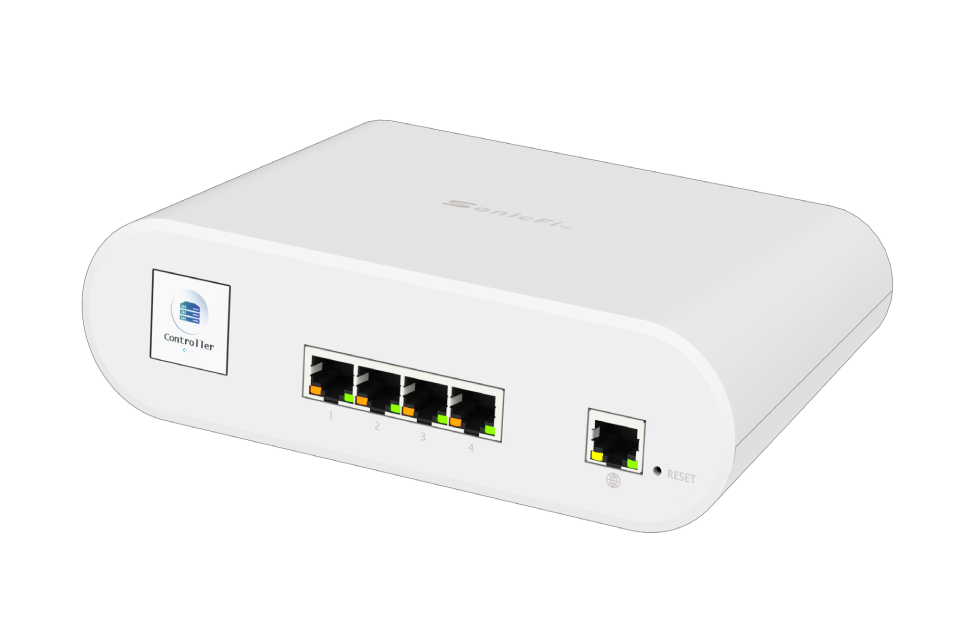
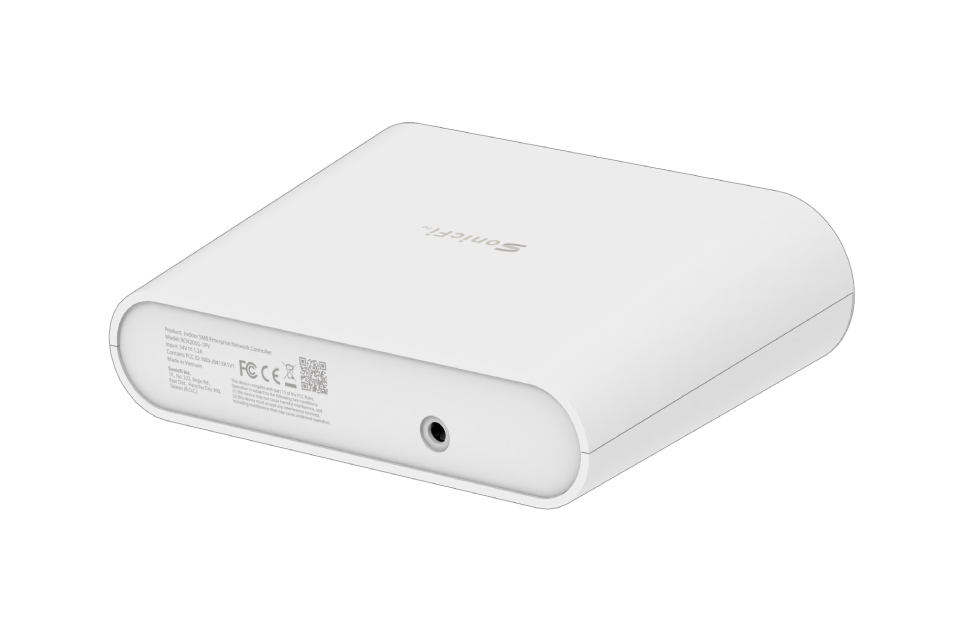
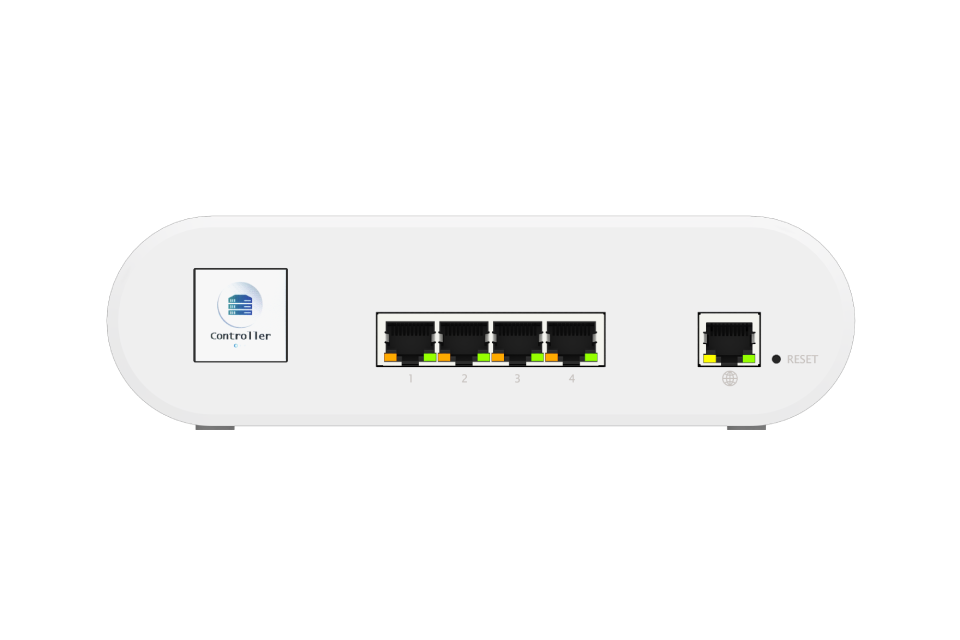
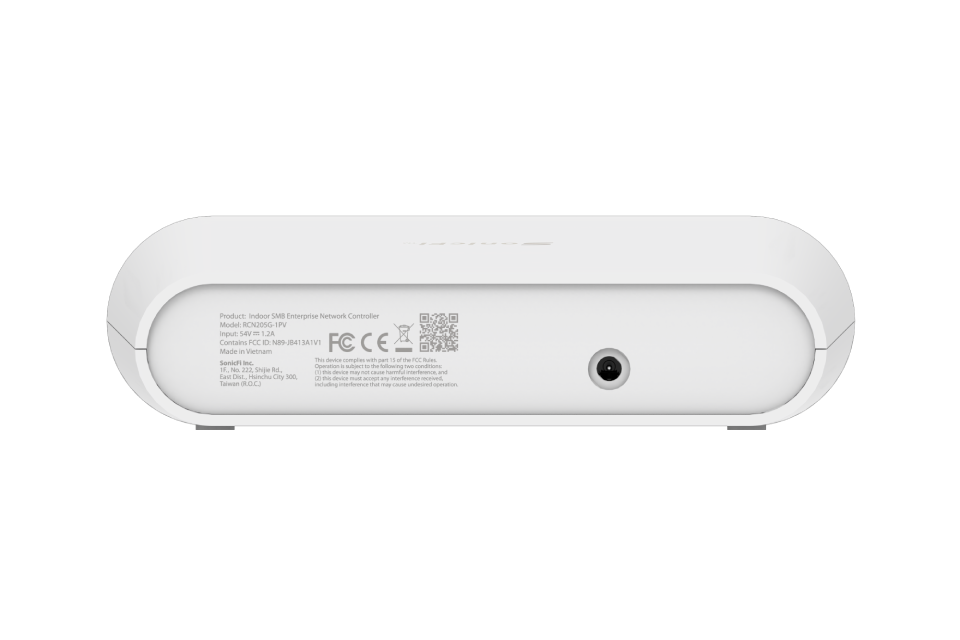
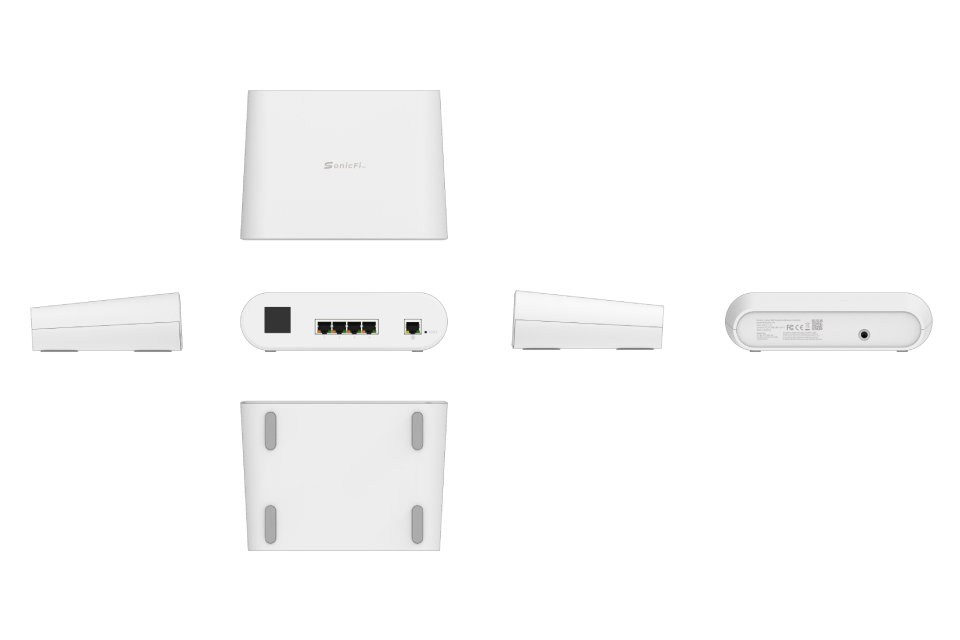
The Controller that Puts Your Entire Network at Your Fingertips
The On-Premises Network Controller is engineered to simplify and centralize the management of modern enterprise networks. Designed for high-density deployments across offices, campuses, hospitality, and smart buildings, it provides a powerful dashboard that brings real-time visibility into WAN/LAN status, system uptime, Internet quality, and application traffic. With AI-driven QoE insights—including AI roaming, load balancing analysis, and system event intelligence—the controller optimizes wireless performance and ensures users always experience stable, high-quality connectivity.
Its dynamic topology view offers a complete, interactive map of all APs, switches, and clients, allowing administrators to adopt new devices, zoom across large networks, and configure devices with a single click. Firmware upgrades, diagnostics, reboots, scheduling, and reset functions can all be executed remotely for seamless operations.
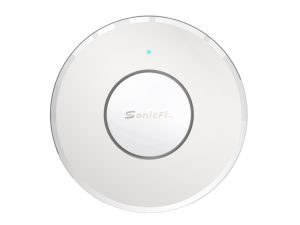
The controller also integrates advanced network services such as VLAN-based configurations, DHCP server per VLAN, WAN settings, firewall rules, port forwarding, and Radius/captive portal configuration. Supporting comprehensive logs, alerts, email notifications, and backup/restore, it ensures full operational control. With an intuitive LCD touch panel for quick status checks and maintenance, this controller becomes the intelligent command center that elevates enterprise networks to a new level of manageability and reliability.

Centralized, Real-Time Network Intelligence
Unified dashboard, AI-powered QoE insights, and complete visibility into APs, switches, clients, traffic, and Internet quality deliver instant situational awareness.

Interactive Topology & One-Click Device Management
A dynamic network map with device adoption, zooming, per-device stats, and one-touch configuration streamlines complex management into a simple visual workflow.

Lower OPEX with Smarter Automation & Faster Troubleshooting
Remote firmware upgrades, system logs, email alerts, LCD status panel, and zero-touch provisioning reduce downtime, cut maintenance costs, and keep networks performing at peak efficiency.